
Across the life sciences sector, a quiet shift is reshaping how science gets done. For years, digital transformation in R&D meant modernising platforms and digitising workflows. Today, the question is no longer whether digital can accelerate R&D, but how far and how fast organisations are willing to redesign the way discovery and development operate.
There is a growing narrative that AI, automation, and digital twins will fully reinvent the scientific process. But the idea that R&D is heading toward full automation is misleading. What’s emerging is more selective a shift in which parts of the scientific process organisations are willing to delegate to digital systems, and which parts remain firmly human.
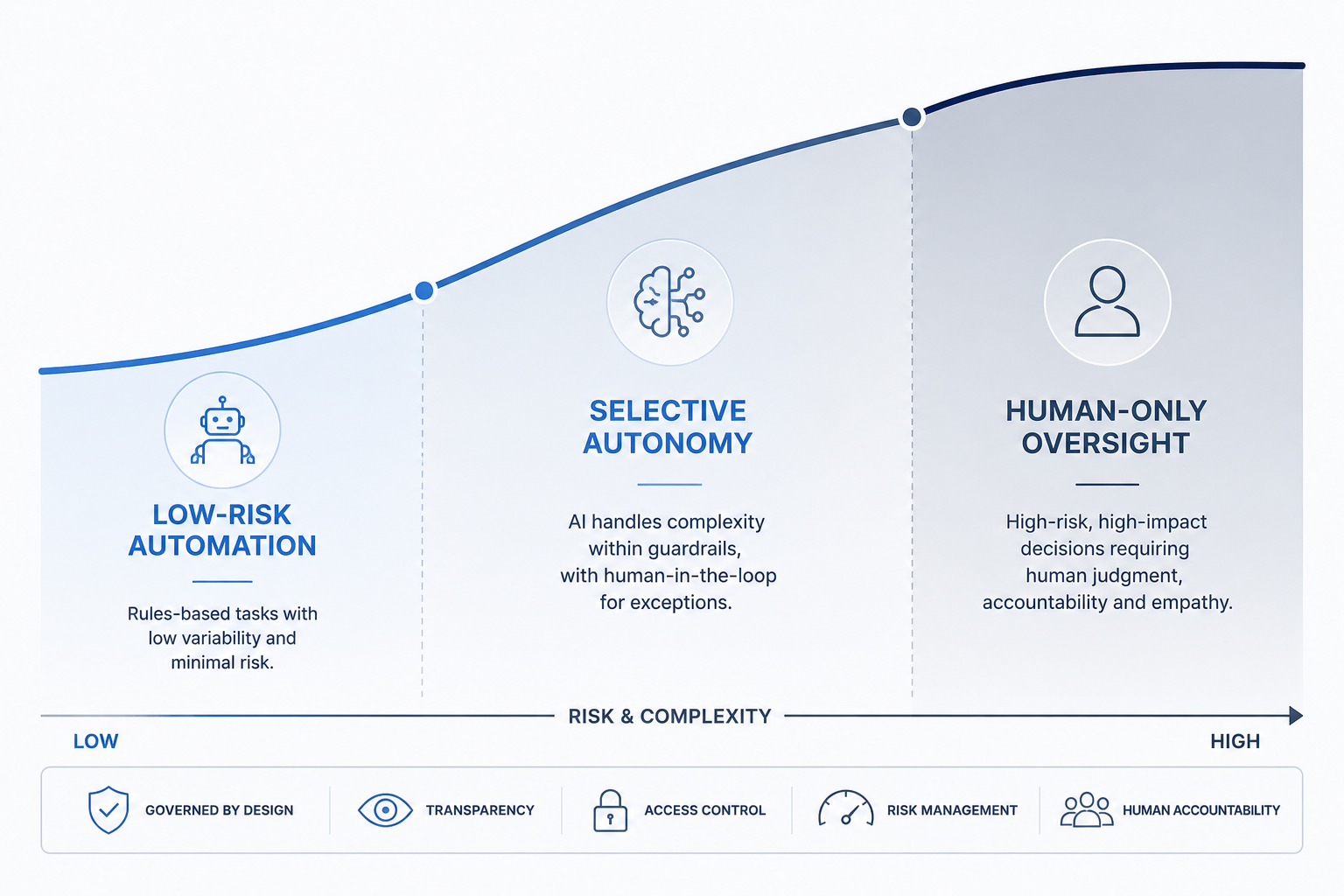
At one end of the curve are low-regret, high-repetition activities that scientists already outsource to digital tools. Move along the curve, and digital systems augment but do not replace scientific judgment. And at the far end are domains where delegation stops entirely: scientific reasoning, patient safety, ethical oversight.
Two forces shape where organisations land on this curve. The first is trust earned through reliability, not rhetoric. The second is context the scientific and regulatory stakes of the decision. In some moments, speed matters most. In others, scientific judgment is irreplaceable.
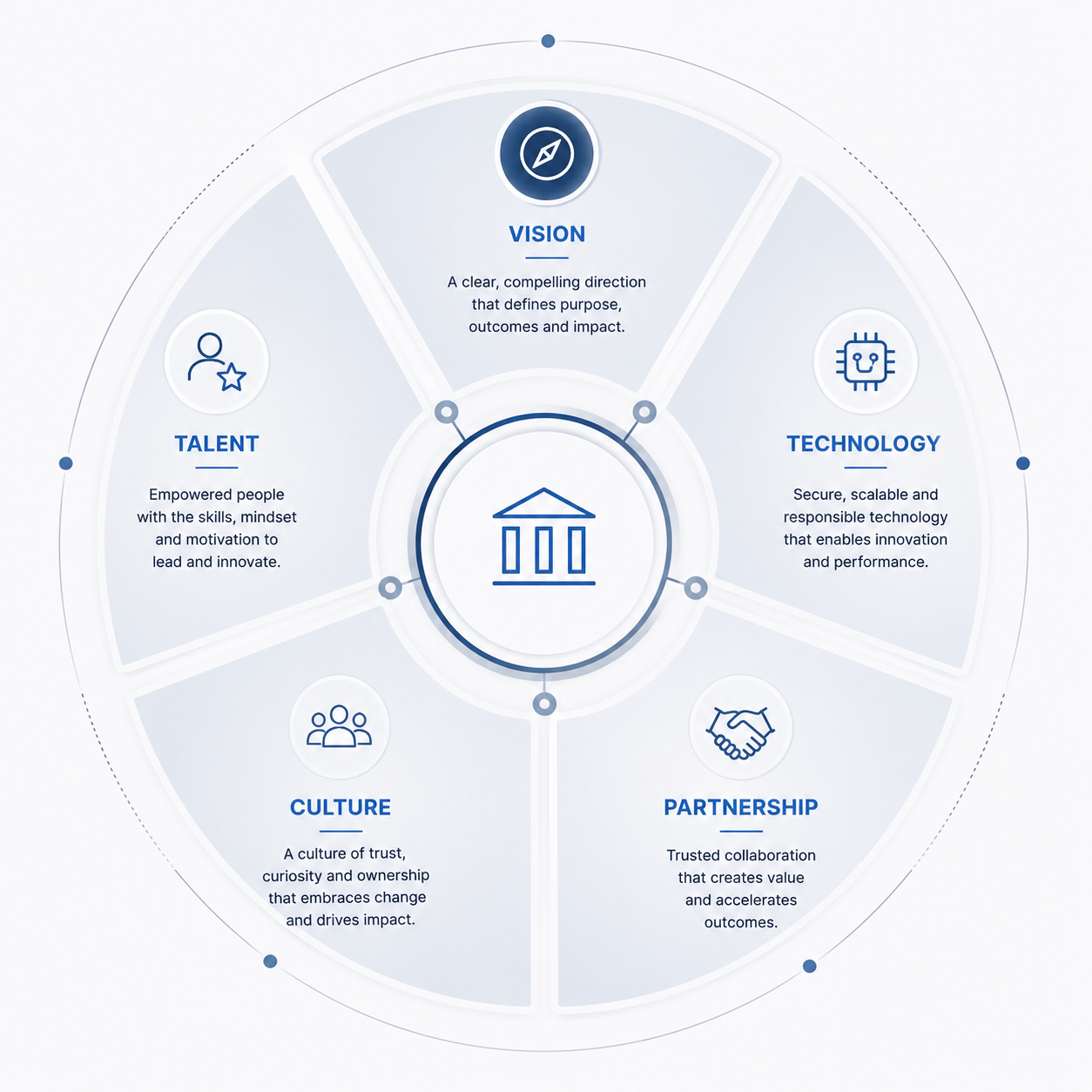
This is where the R&D Digital Acceleration Leader becomes pivotal. The mandate is not to deploy technology. It is to reshape how R&D works. The leaders who succeed articulate a clear digital vision, identify technologies with real leverage, partner with scientists, lead cultural change, and build the talent required for R&D 2.0.
One of the most significant shifts in R&D digital acceleration is the rise of agentic software development. But the value isn’t in automation itself it’s in what it enables: faster experimentation, rapid iteration, and more time for scientists to focus on science.
The future of R&D will not be defined by the number of digital tools deployed. It will be defined by the clarity of the digital acceleration roadmap and the organisation’s ability to execute it. The future of R&D is not fully automated. It is selectively accelerated.
Explore the Future of R&D 2.0